
Porsche 911 G-Series (1974–1989): Models, Buying Advice and Backdate Potential
The G-series 911 ran from 1974 to 1989. That is longer than any other generation, and it covers some of the most loved air-cooled cars. It is also a common starting point for backdates. Here is how the models differ, and what to know before you buy one.
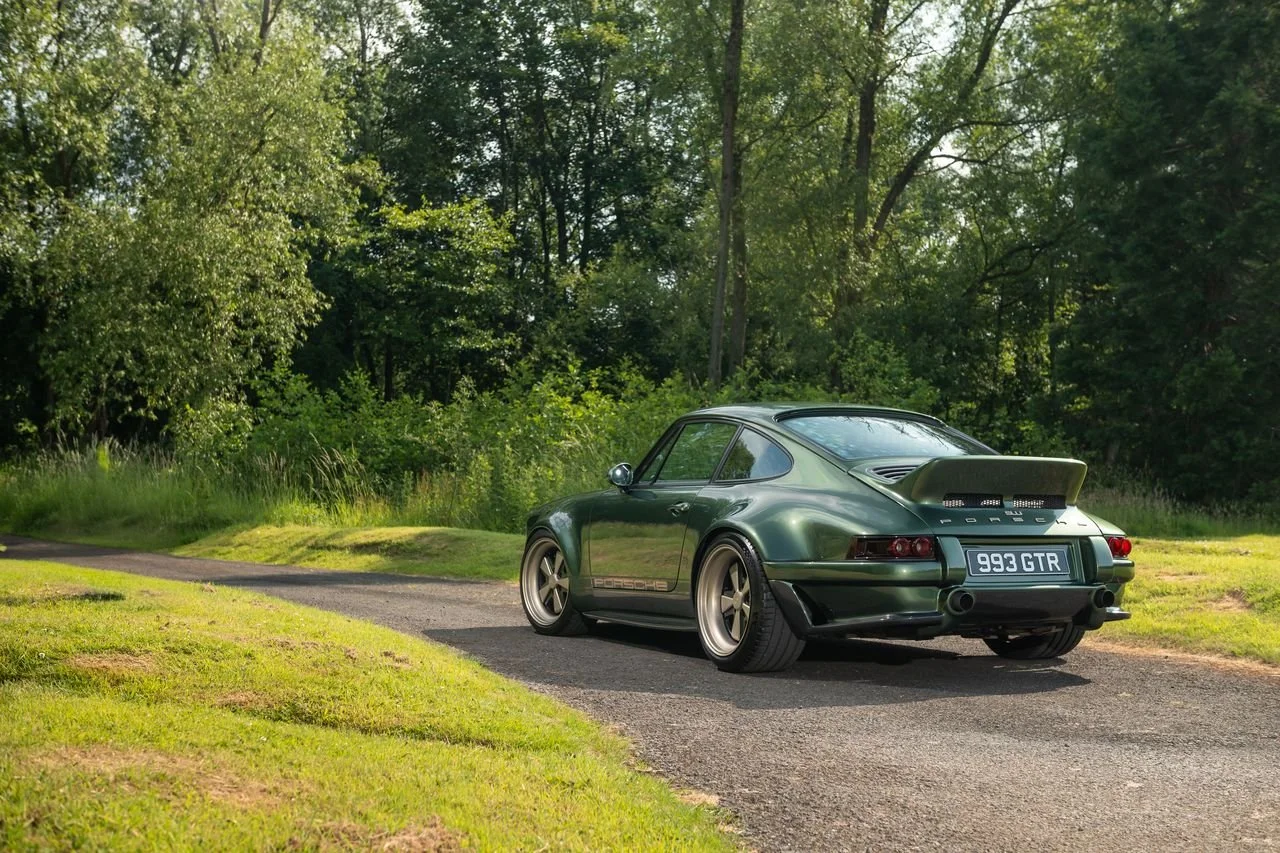
What the G-series 911 is
In 1974, Porsche introduced a heavily revised 911 to meet new US crash regulations. The most visible change was the impact bumpers, with their rubber bellows. Porsche called this generation the G-series internally. It stayed in production until 1989 and changed steadily along the way.
G-series models
- 911 and 911S 2.7 (1974–1977): the early G-series cars, with 2.7-liter engines.
- Carrera 2.7 and 3.0 (1974–1977): the higher-performance models, including the European Carrera with mechanical injection.
- 911 SC (1978–1983): a 3.0-liter car with a reputation for being robust.
- Carrera 3.2 (1984–1989): more power and Motronic electronic fuel injection. From 1987, it gained the G50 gearbox in place of the earlier 915.
- 930 Turbo (1975–1989): the wide-body, turbocharged flagship. See our 930 Turbo article.
911 SC vs 3.2 Carrera
These are the two most common G-series models, and they are often compared. The 911 SC (1978–1983) used a 3.0-liter engine known for being very robust. The 3.2 Carrera (1984–1989) added more power, Bosch Motronic electronic engine management and, from 1987, the G50 gearbox. The SC is usually the cheaper way in. The Carrera is quicker and feels more modern to drive.
915 vs G50 gearbox
G-series cars used the 915 manual gearbox until 1986. It is strong, but the shift is notchy and asks for patience, especially when cold. The G50 arrived for 1987. It has a hydraulic clutch and a lighter, more precise shift, and most drivers prefer it. Either way, a rebuilt gearbox with fresh synchros changes how the car feels.
The 930 Turbo
The G-series era also produced the first 911 Turbo, the 930, introduced in 1975. It had wide arches, a tail spoiler and a sudden rush of boost. It became a legend. We cover it in detail in Porsche 930 Turbo: how the widowmaker inspires modern backdate builds.
What to check on a G-series 911
- Rust: check the floors, suspension mounting points, sills and the areas around the windshield.
- Engine history: the early 2.7 engines are known for heat-related issues if they were not properly updated.
- Gearbox: the 915 needs a patient driver. The later G50 is stronger, with a lighter shift.
- Matching numbers: check the chassis and engine numbers with our VIN guide.
The G-series as a backdate base
The G-body shares its basic shell with the earlier cars. That makes the long-hood look simple to recreate, and many backdates start here. The trade-off is the older chassis. There is no power steering, no ABS, and the suspension uses torsion bars.
That is why we build on the 964 and 993. You get the same classic look outside, with coil springs, power steering and a stiffer shell underneath. Compare the two in 964 vs 993, or see how a custom Porsche 911 backdate comes together.
Frequently asked questions
What years are G-series Porsche 911s?
The G-series, also called the G-body or impact-bumper 911, was built from 1974 to 1989.
What is the difference between a 911 SC and a Carrera 3.2?
The 911 SC (1978–1983) uses a 3.0-liter engine with Bosch CIS mechanical fuel injection. The Carrera 3.2 (1984–1989) has a larger 3.2-liter engine, electronic fuel injection and more power.
Is a G-series 911 a good backdate base?
Yes. Many backdates start with a G-series car. A 964 or 993 offers a stiffer, more modern chassis with power steering and ABS. That is why we build on those platforms.
Your air-cooled 911, built around you.
Every Shoreline car is a hand-built Porsche 911 restomod, engineered from a hand-picked 964 or 993 donor and specified by you. We take a limited number of builds each year. Get in touch, and we will walk you through the options.