
Air-Cooled vs Modern Porsche 911: Which One Should You Actually Drive
Air-Cooled vs Modern Porsche 911: Which One Should You Actually Drive
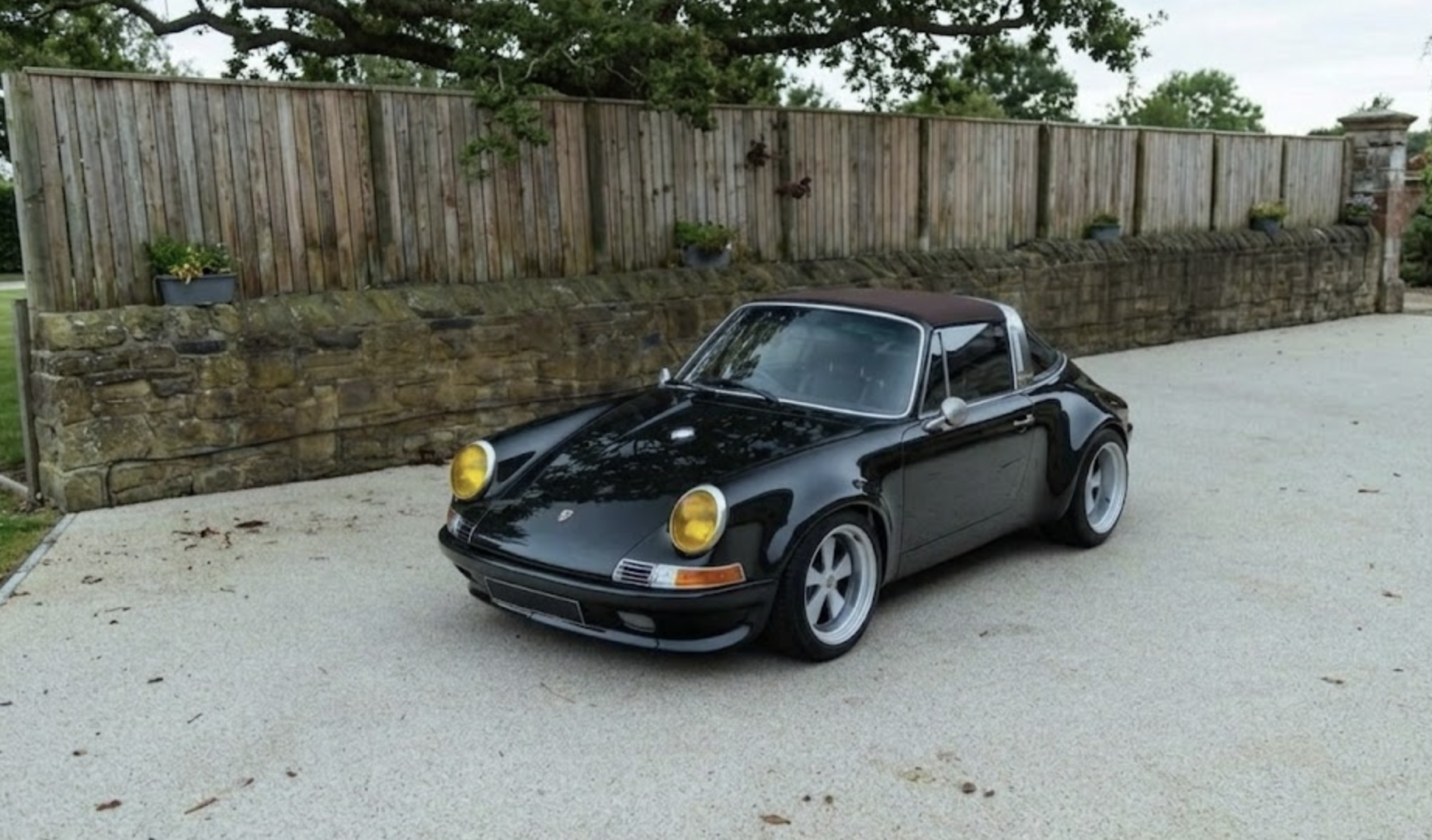
If you're cross-shopping a new Porsche 911 against something like a Shoreline backdate, you're really deciding between two different philosophies of what a sports car should feel like. Both are excellent. They're just not doing the same job.
What "air-cooled" actually means
Porsche built the 911 with an air-cooled flat-six engine from 1963 all the way through 1998, ending with the 993 generation. No water pump, no radiator, no coolant system between you and the engine. Everything since 1999 (the 996 onward) has been water-cooled.
That sounds like a spec-sheet detail, but it changes the character of the car. Air-cooled engines are mechanically simpler, rev with a distinctive rasp rather than a modern muted hum, and give a rawer, more analog connection between driver and machine. There's less insulation, literally and figuratively, between you and what the car is doing.
The case for a modern 911
A new 911 is, by almost every measurable standard, a better car. More power, more grip, better brakes, dramatically better safety, and a level of daily comfort a 1990s 911 never offered. Climate control that actually works. A gearbox that shifts itself if you want it to. Adaptive suspension that smooths out a rough road without giving up handling. If your priority is the fastest, most capable, most livable 911 possible, buy new.
The case for air-cooled character
What a new 911 can't replicate is feel. Modern electric power steering, however good, doesn't talk to your hands the way a hydraulic rack does. A modern flat-six, muffled behind sound-deadening and emissions equipment, doesn't sound like an air-cooled engine at full song. And there's a simplicity to an air-cooled car, mechanically and visually, that a lot of drivers find they miss once it's gone. It's the same reason people still seek out manual transmissions and naturally aspirated engines even as the industry moves past both.
This is where backdates come in. A backdate takes a 964 or 993, the last and most refined air-cooled generations, and rebuilds it from a bare shell with modern reliability, upgraded brakes, and a properly sorted chassis, while keeping the character that a new 911 simply doesn't have. You get the air-cooled feel without inheriting a 30-year-old car's original wiring, worn suspension, and unpredictable maintenance history.
It's not really new vs old
The honest way to frame this isn't new versus old, it's engineered-for-capability versus engineered-for-feel. Plenty of people who love the modern 911 also want an air-cooled car in the garage for a completely different kind of drive. They're not competing for the same use case. A new 911 is what you drive every day without thinking about it. An air-cooled backdate is what you drive because you want to feel every part of the process.
Which one is right for you
If you've never owned a 911 and want one car that does everything well, a new one is the safer, more sensible choice. If you already know what a modern car feels like and you're chasing something a spec sheet can't capture, a properly built air-cooled backdate is worth serious consideration; just go in knowing it's a different kind of ownership experience, built around character rather than convenience.
At Shoreline 911, every backdate starts from a bare 964 or 993 shell and is rebuilt to your specification, with a choice of three engine tiers and full control over the interior and configuration. If you want to go deeper on platform choice, our 964 vs 993 comparison is a good next read.
Start a conversation about your build or browse current Shoreline 911 builds.
Your air-cooled 911, built around you.
Every Shoreline car is a hand-built Porsche 911 restomod, engineered from a hand-picked 964 or 993 donor and specified entirely by you. Build slots are limited each year.