
The Porsche 993: The Final
Chapter of Air-Cooled Perfection
Shoreline 911 — Guide
Contact Shoreline 911It stands as the bridge between two worlds: the final, glorious expression of the air-cooled era and the arrival of modern chassis dynamics. For many, it is the "Goldilocks" 911 — possessing the classic compact footprint and mechanical soul of the early cars, but cured of their treacherous handling.
At Shoreline 911, the 993 is more than just inventory; it is a benchmark. Whether you are seeking a collector-grade example or the ultimate base for a bespoke commission, this is the definitive guide to the model that perfected the formula.
Why the 993 Changed Everything
Produced between 1994 and 1998, the 993 represented a massive leap forward in engineering while retaining the heart of the classic 911.
The LSA Revolution
The 993 introduced the "Light, Stable, Agile" (LSA) multi-link rear suspension. This was the game-changer. It effectively eliminated the infamous "lift-off oversteer" of previous generations, making the car predictable and genuinely exploitable at the limit.
The Design
Penned by Tony Hatter, the 993 was the first 911 to feature flattened, aerodynamic headlights and wider rear hips as standard. It looks muscular and purposeful, distinct from any generation before or since.
The Soundtrack
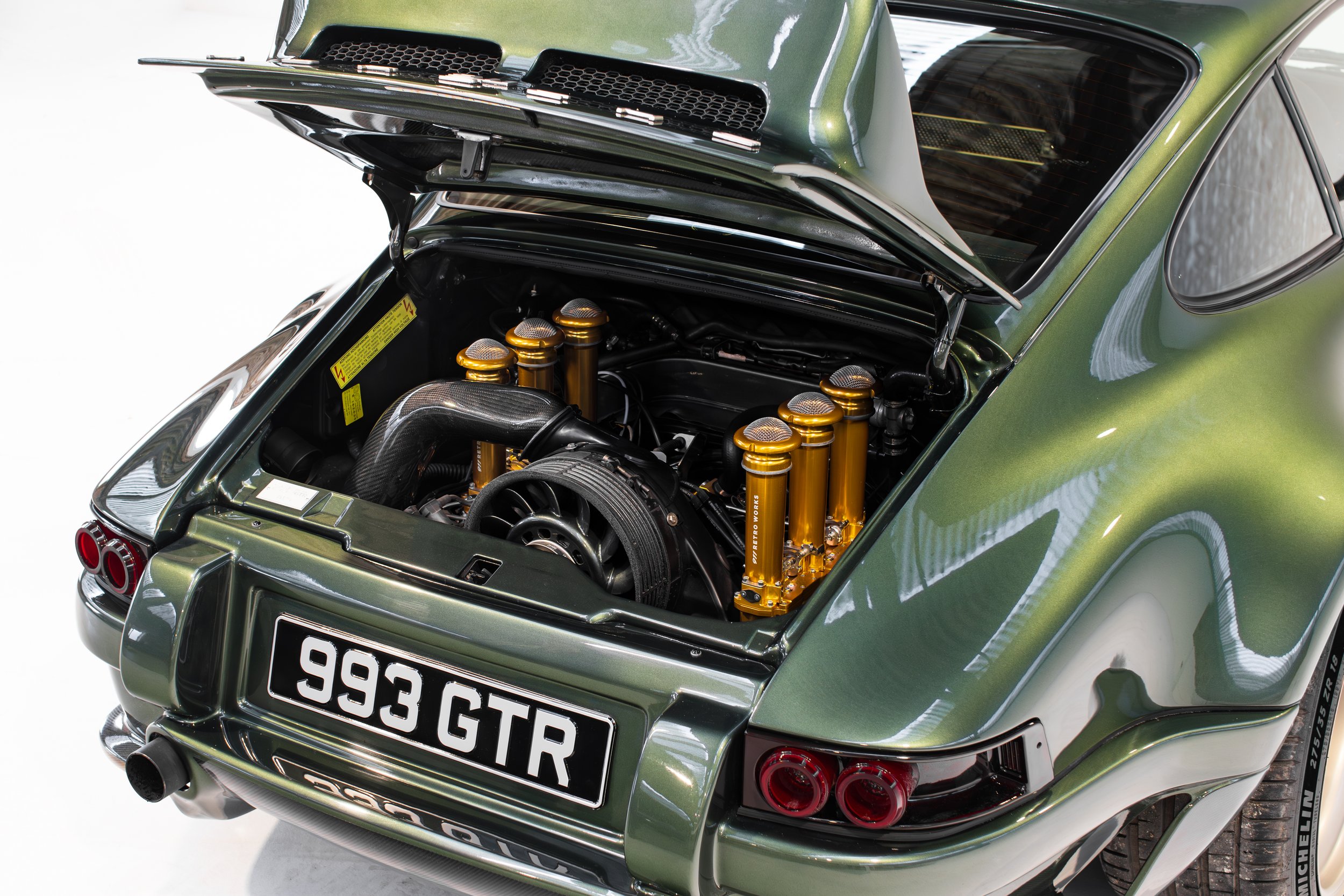
The 3.6-litre flat-six (M64) is widely regarded as bulletproof. It produces a mechanical symphony — a mix of fan whir and induction roar — that water-cooled successors simply cannot replicate.
The VarioRam Era: Knowing the Difference
When browsing for a 993, the most critical distinction is between the early and late cars.
The Pre-VarioRam Cars (1994–1995)
The early 993s featured the standard M64 naturally aspirated engine producing 272 bhp. These cars are fantastic drivers, often representing better value, and feature the shorter gear ratios that make them lively on back roads. Visually, they are often identified by the "basket handle" brake light on the rear decklid.
The VarioRam Upgrade (1996–1998)
In 1996, Porsche introduced the VarioRam induction system — a clever intake manifold that adjusts the length of the air runners at different RPMs. Power increased to 285 bhp, but the real magic was a nearly 15% increase in mid-range torque. These cars feel significantly punchier in everyday driving and are generally the most sought-after by collectors.
Buyer's Checklist: What to Watch For
The 993 is incredibly robust, but as these cars mature, three specific issues have become the standard health-check items.
- Valve Guide Wear The most common reason for an engine rebuild. Watch for excessive oil consumption or blue smoke on startup. A top-end rebuild is an investment, but it resets the clock for another 100,000 miles.
- Secondary Air Injection (SAI) Faults Carbon build-up in the emissions system can trigger a Check Engine Light. While it doesn't affect performance, it can be a nuisance for inspection compliance.
- Windshield Rust A known weak point where the rubber seals trap water against the scuttle corners. A bubbling seal usually indicates that glass-out remedial work is required.
The Shoreline Perspective: Restore or Reimagine?
As the market for the 993 matures, we are seeing two distinct paths for ownership.
Preservation is key. Original paint, documented history, and factory specifications are the currency of the collector market. A well-sorted manual Carrera 2 or 4S remains a blue-chip asset that you can enjoy on the weekends.
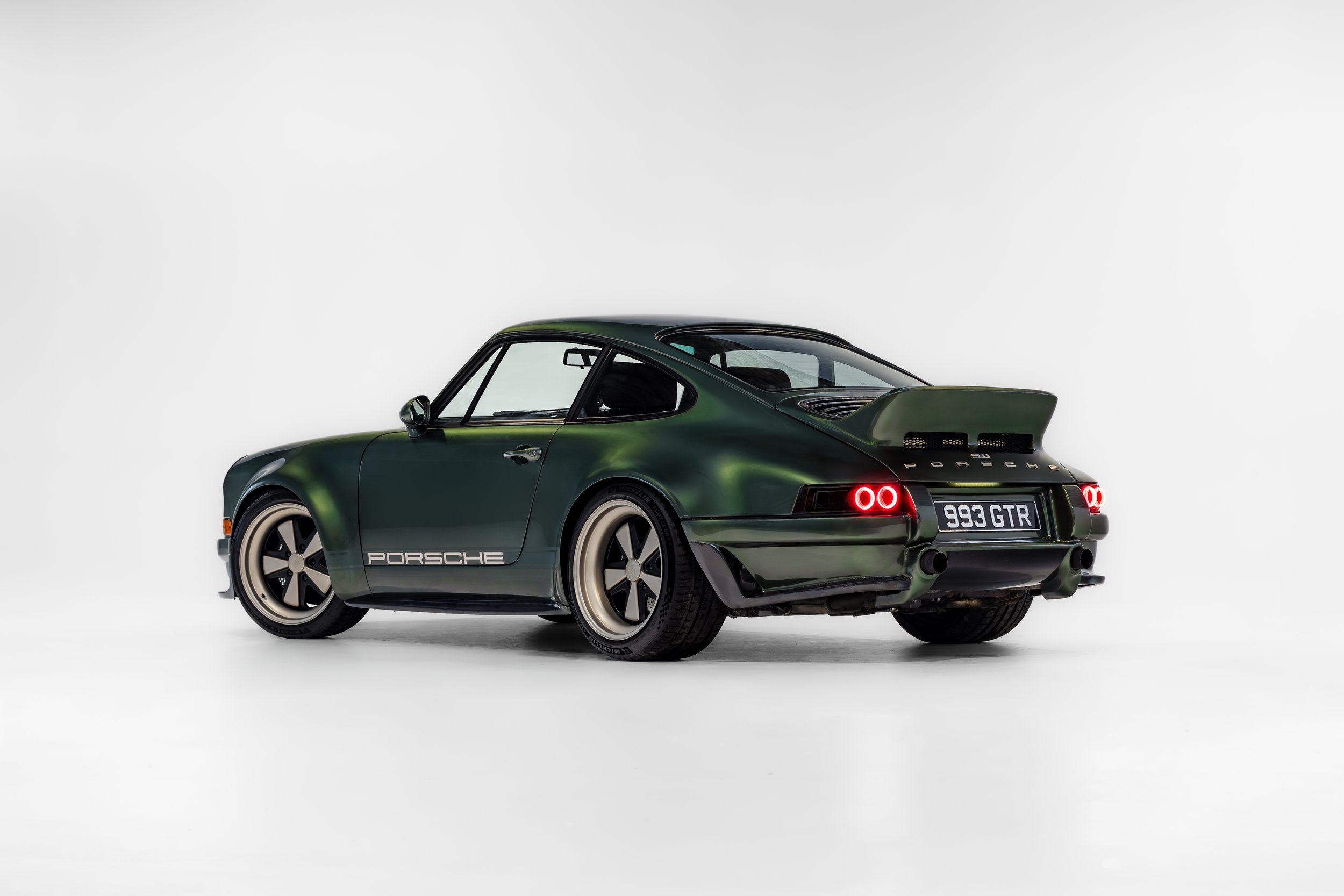
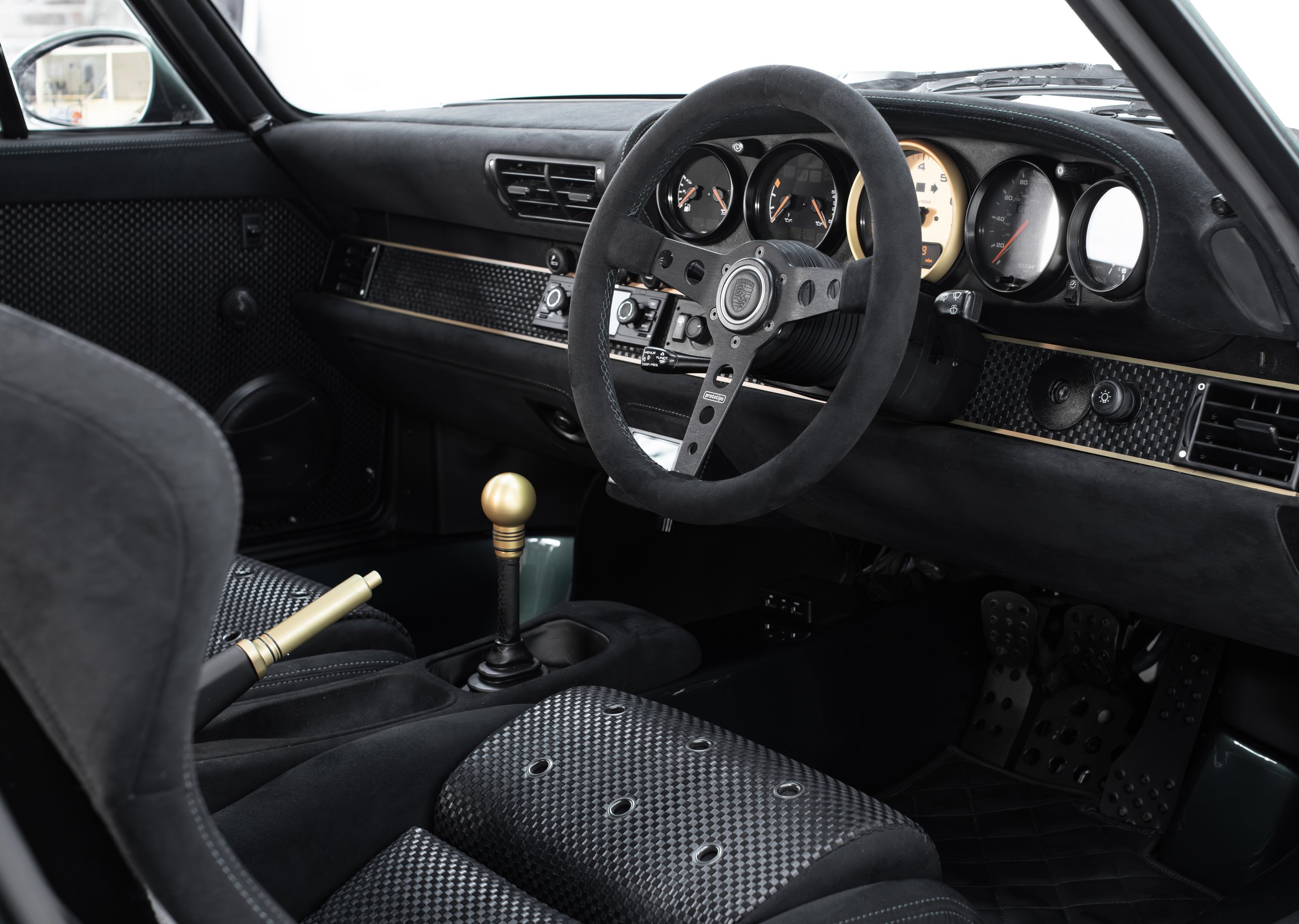
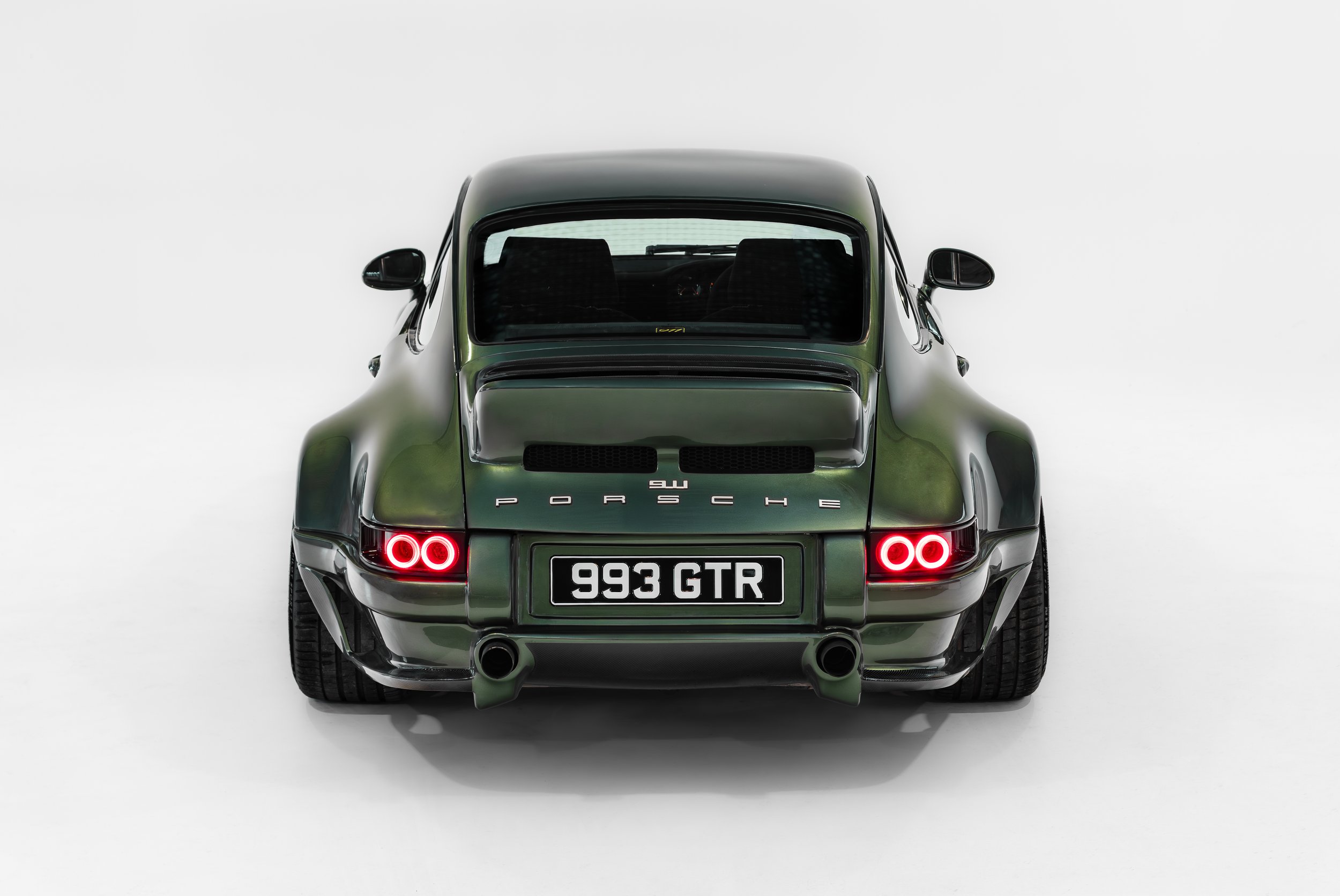
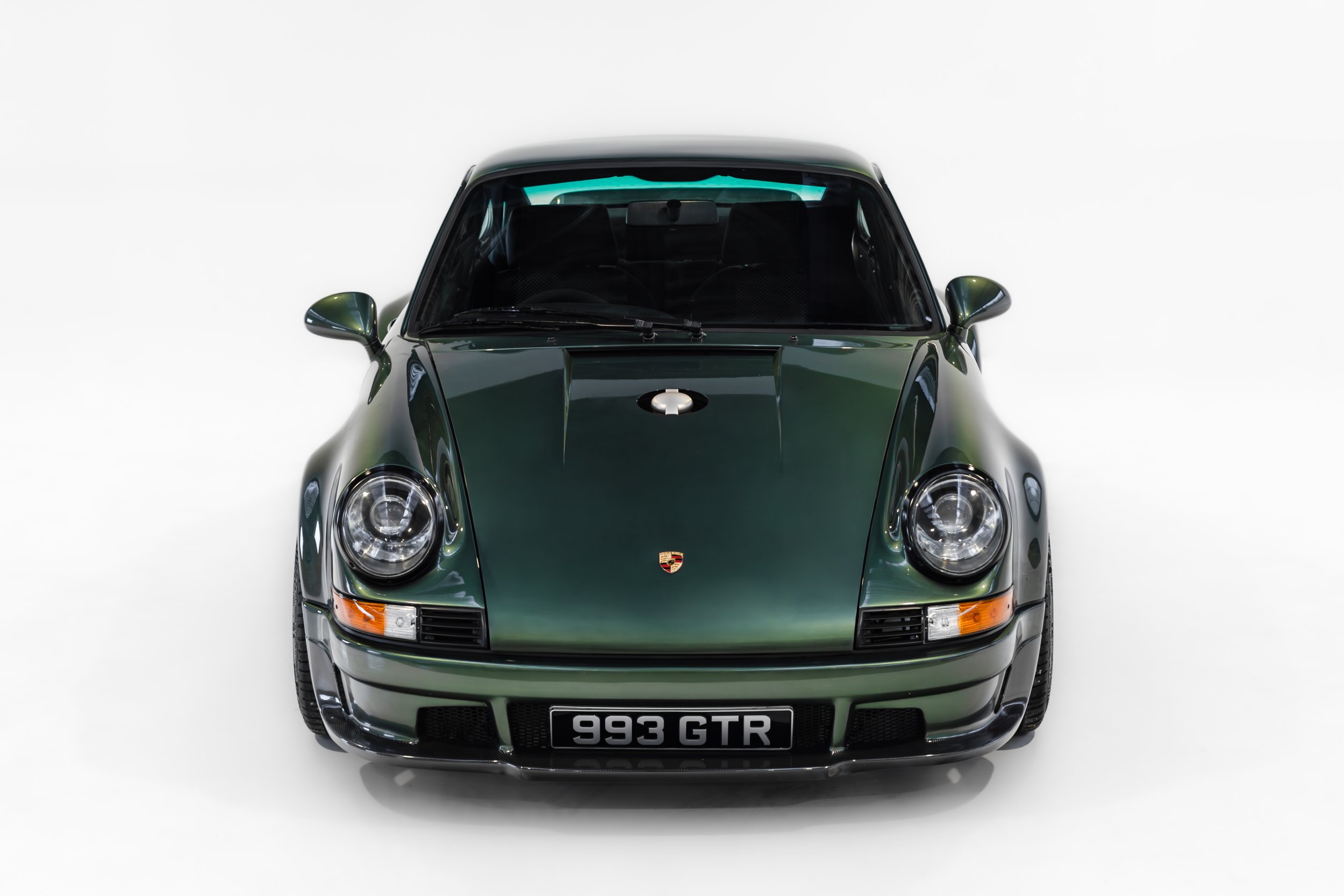
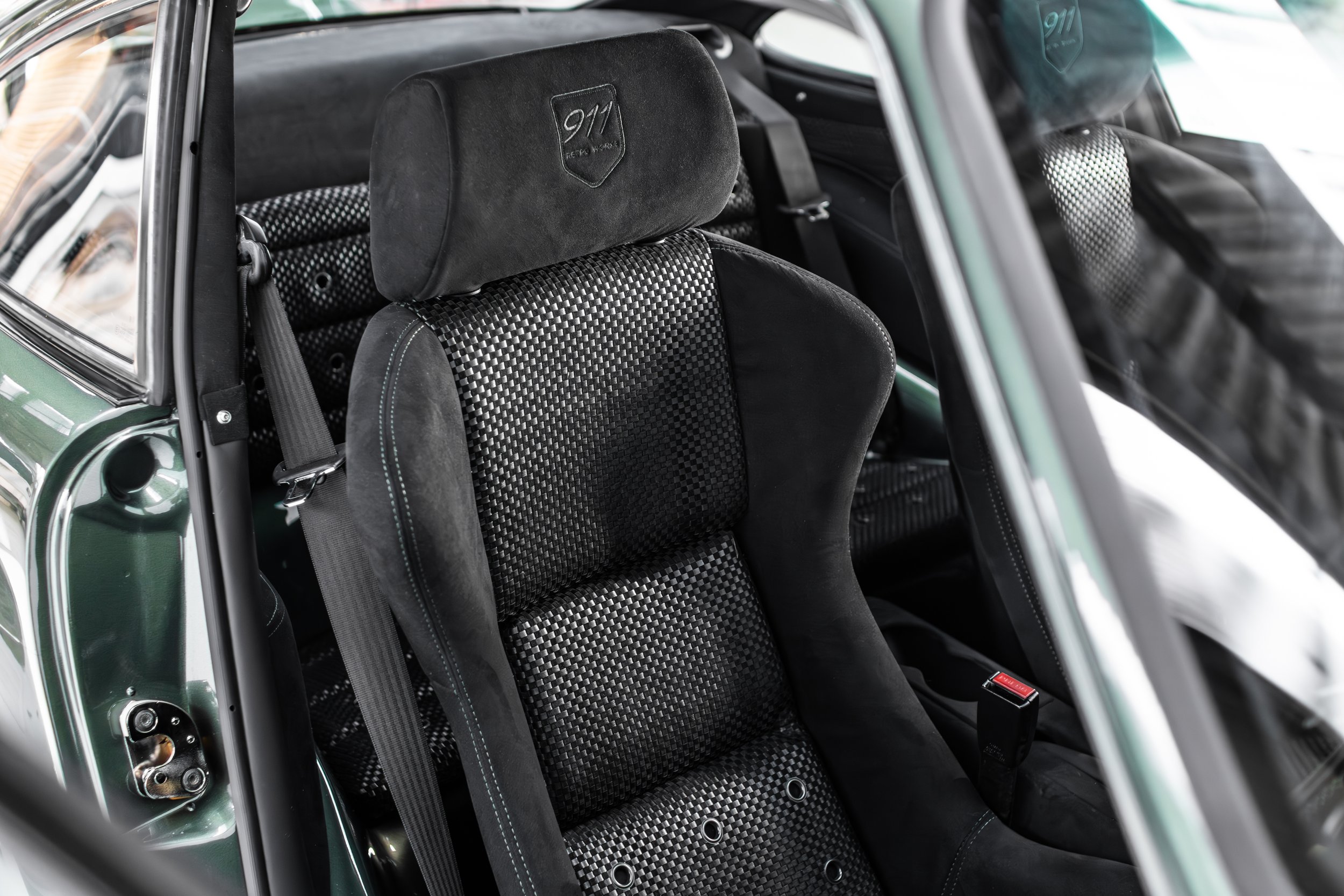
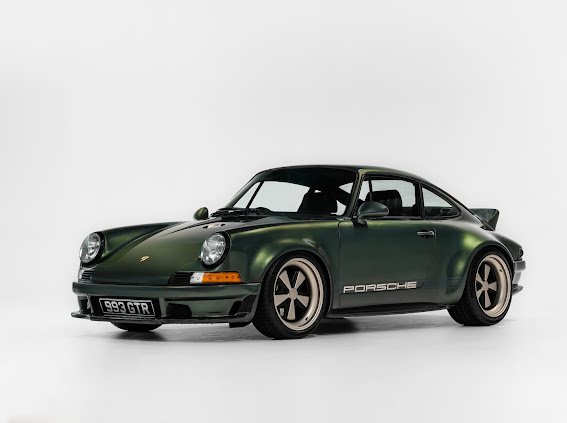
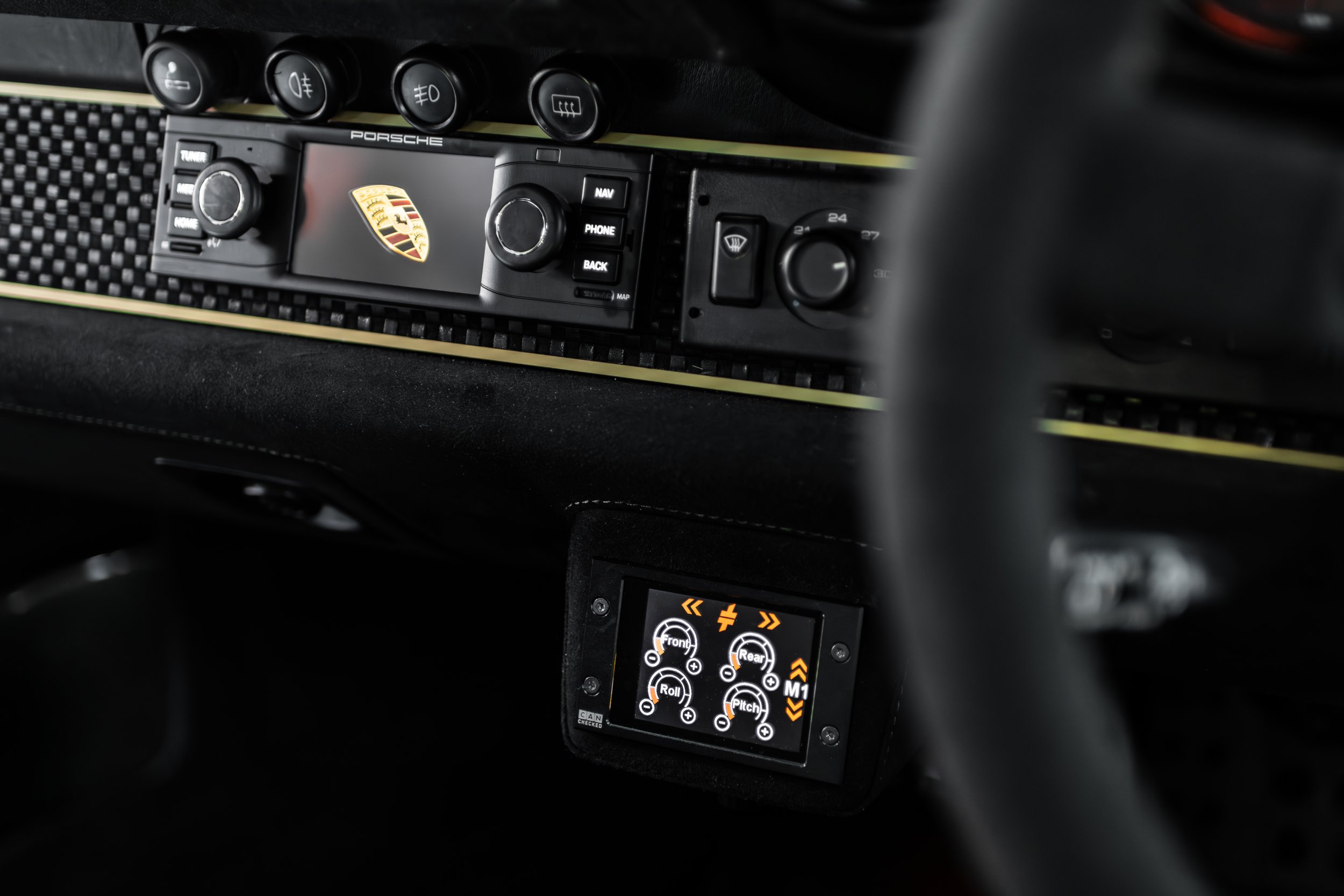
The 993 is increasingly becoming the preferred canvas for backdating and restomods. Unlike the older 964, a 993 offers the superior 6-speed manual gearbox and the advanced multi-link suspension — the ultimate blend of old-school looks and modern competence.
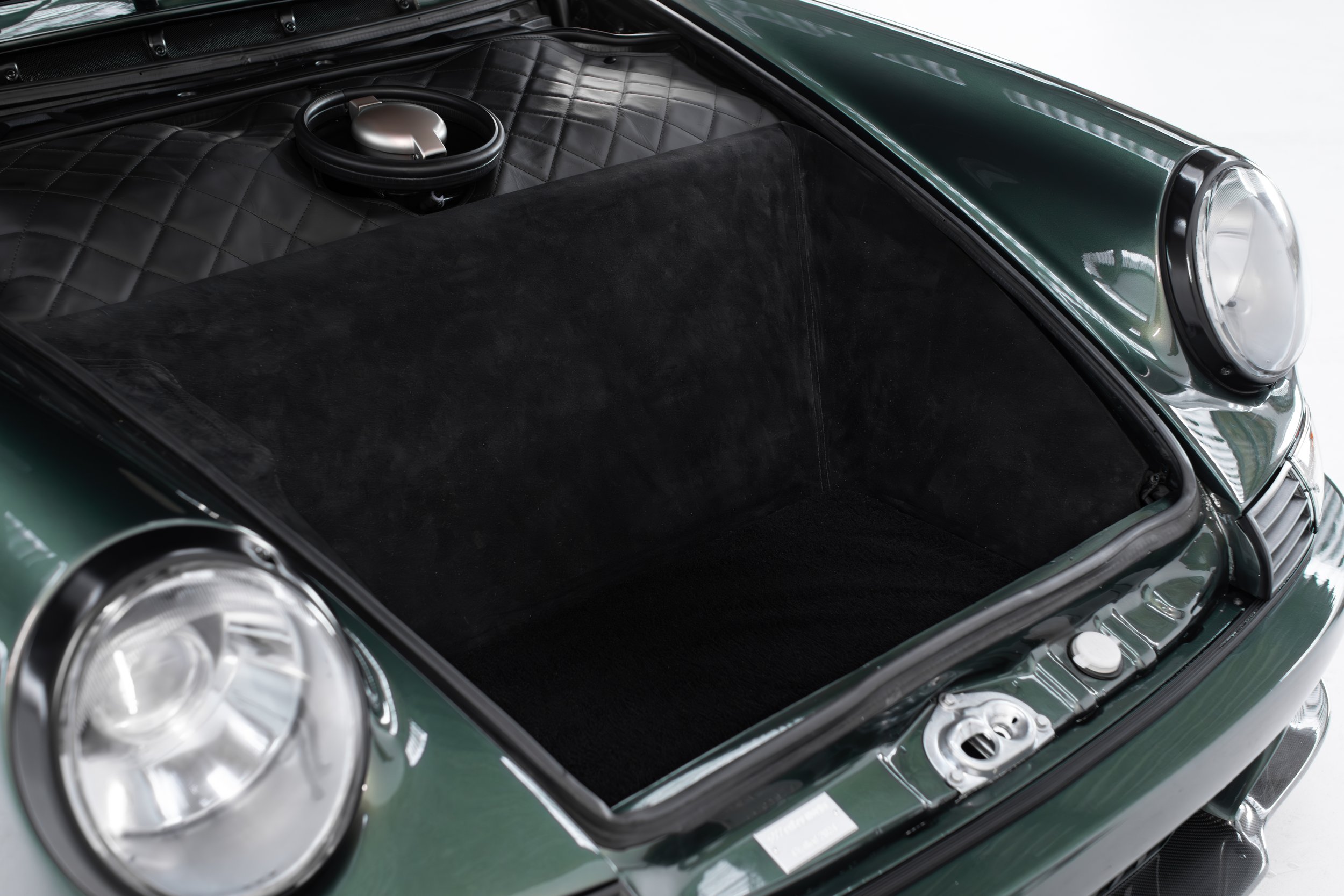
Does this classic 911 catch your eye?